
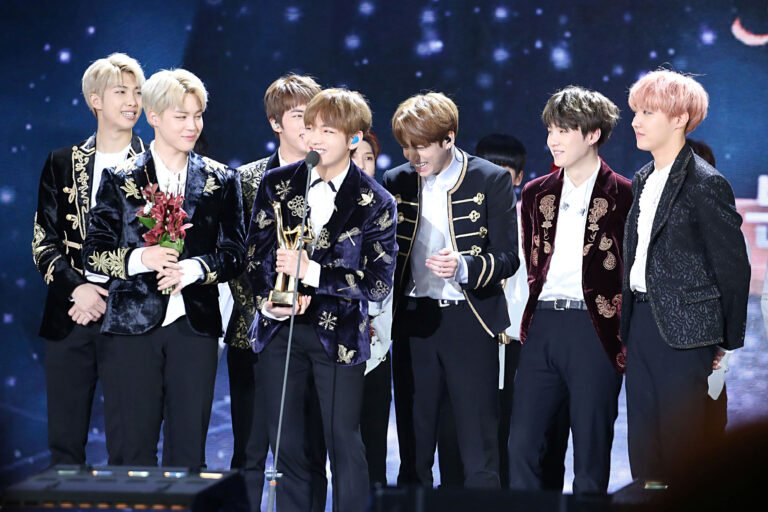
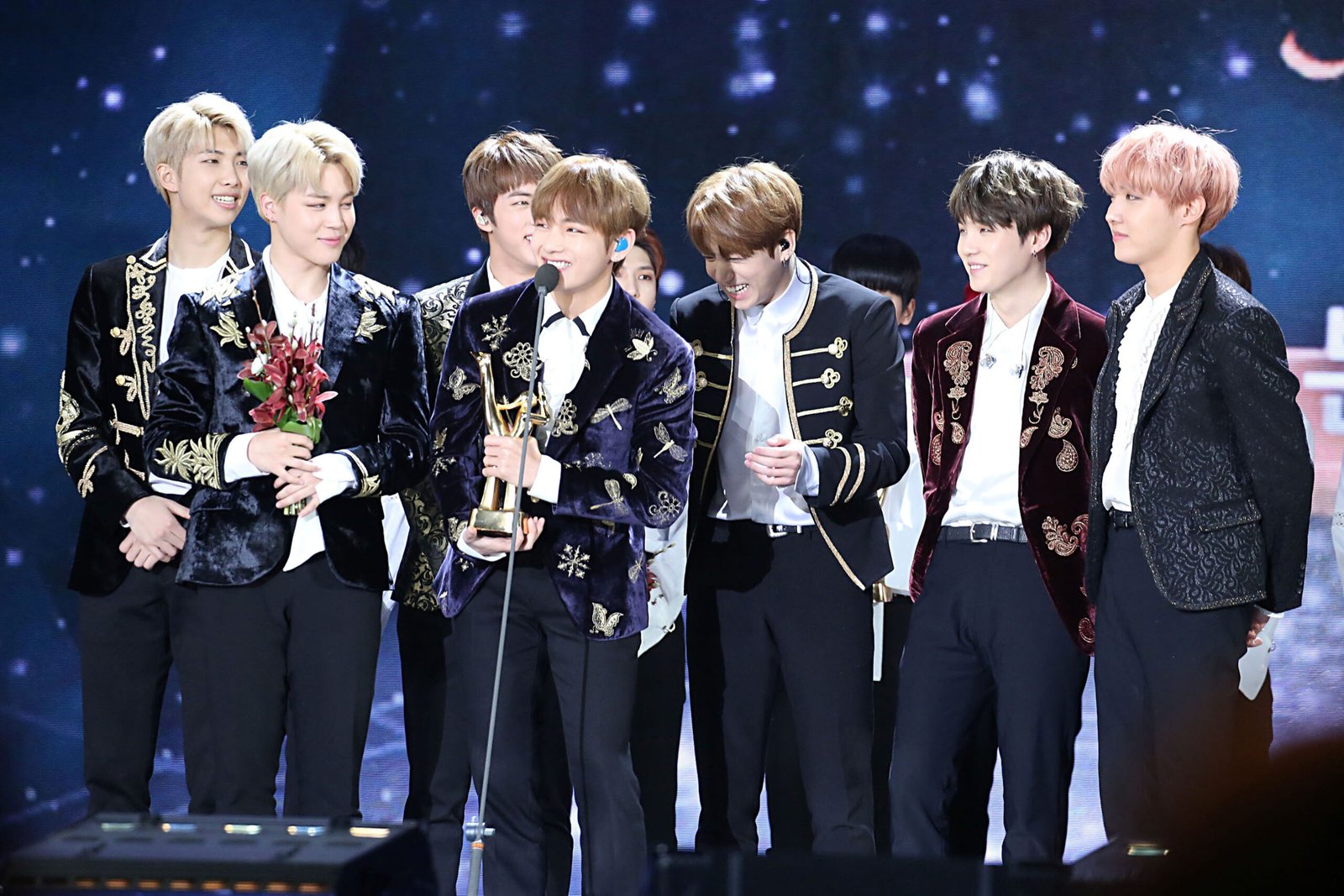
BTS’s long-awaited comeback is no longer just a promise on the horizon — it’s now a full-blown world tour and a chart-topping album, both well underway. Nearly four years after their last full group release, all seven members are back together, and the scale of what they’ve built since reuniting is hard to overstate.
Here’s where things actually stand with the Arirang album, the record-setting world tour, and the moment that turned BTS’s comeback into a genuinely global story: their halftime performance at the FIFA World Cup Final.
BTS’s Return After Military Service
All seven members completed their mandatory South Korean military service by June 2025, closing out a hiatus that stretched across nearly four years. “Arirang,” released in March, is their first full group album since “BE” in 2020, and the reunion delivered immediately: the album racked up hundreds of thousands of pre-saves within its first day and crossed two million pre-saves within four days, becoming the group’s most pre-saved release and setting a new opening-day mark on Spotify’s own countdown albums chart.
Inside the Arirang Album
The album takes its name from one of Korea’s most recognizable folk songs, a piece recognized by UNESCO as part of the country’s cultural heritage and long associated with themes of longing and homecoming — a fitting title for the group’s first collective release after years apart. The choice signals a group leaning into its cultural roots for this era rather than distancing from them, tying the comeback explicitly to where the members come from rather than just where the group has been commercially.
The Record-Breaking World Tour
Alongside the album, BTS kicked off what’s already being described as the largest world tour ever mounted by a South Korean act. The run opened in Goyang, South Korea, in April and is booked through March 2027, with more than 80 shows spread across roughly 34 cities in 23 countries. Every announced date has sold out, and the tour has already moved through stops across Asia, Europe, and North America, with a dedicated Latin America leg set for October covering five countries in the region.
BTS at the FIFA World Cup Final
The tour’s highest-profile moment yet came when BTS co-headlined the halftime show at the FIFA World Cup Final, putting the group in front of one of the single largest live audiences of any performance this year. Pairing a sold-out world tour with a World Cup final appearance in the same summer is the kind of scheduling that only a handful of acts globally could support, and it’s helped keep “Arirang” era buzz building well past its initial release week rather than fading into the usual post-launch lull.
What’s Next for the Tour
With European and Asian dates already behind them and a Latin American leg confirmed for October, BTS’s schedule stretches out for months to come, running all the way through March 2027. For a group that spent nearly four years apart on individual paths, from music to mandatory service, the pace of this comeback, an album, a stadium tour, and a World Cup stage all inside the same year, reads less like a cautious re-entry and more like a group moving to make up for lost time all at once.
How This Comeback Compares to Past Eras
BTS has returned from breaks before, but never one shaped by a mandatory, years-long separation like military service. Earlier hiatus periods were largely voluntary and framed around individual side projects, while this reunion followed a fixed, externally imposed timeline that all seven members had to complete before any group activity could resume. That context has shaped how this era is being received: rather than a planned comeback on the group’s own schedule, “Arirang” and the tour represent the earliest point at which a full reunion was even possible, adding a layer of anticipation that past comebacks didn’t carry in quite the same way.
Solo Careers Meet Group Activity Again
During the hiatus, individual members kept releasing solo music and building out their own followings, which means this comeback era is also a test of how those separate solo identities fold back into group material. Early reaction to “Arirang” suggests fans have welcomed the return to full-group releases without abandoning the solo work built up over the break, giving BTS a broader combined footprint, group album, individual catalogs, and now a joint tour, than they had heading into the hiatus in the first place.
FAQ: BTS’s Comeback
When did BTS release their new album?
Their comeback album, “Arirang,” was released in March, marking their first full group album since 2020’s “BE.”
How long is BTS’s 2026 world tour?
The tour began in April and is scheduled to run through March 2027, with more than 80 shows across roughly 34 cities in 23 countries.
Did BTS perform at the FIFA World Cup?
Yes, BTS co-headlined the halftime show at the FIFA World Cup Final, one of the most-watched performances of their comeback era so far.
For more K-pop coverage, see our look at the KPop Demon Hunters World Tour and this year’s K-Pop comeback season roundup.
More on the album is available on Wikipedia.